Case Study 1
Led the product strategy and development of a class II AI-enabled medical device that automates neurophysiology interpretation and translates real-time data into actionable guidance during spine surgery.
01
The Problem
The previous company I worked for pioneered a new procedural workflow in spine surgery. A surgeon’s first concern is “a different workflow = different risks”, and they were right to think that. In 2014, the clinical research proved we can mitigate the neurological risks associated with the procedure, but the technology at the time was not adept at working within these new parameters. So, we designed a product that mitigated the neurological risks, and seamlessly integrated within the workflow of the company’s flagship procedure.
02
Understanding the User
A surgeon needs clear, timely information to support decisions. The operator needs easy and reproducible setup.
03
My Role
Responsible for writing and presenting UI workflow, technical, data processing and hardware requirements, developing release roadmaps and working cross-functionally to support each release.
04
Product Strategy
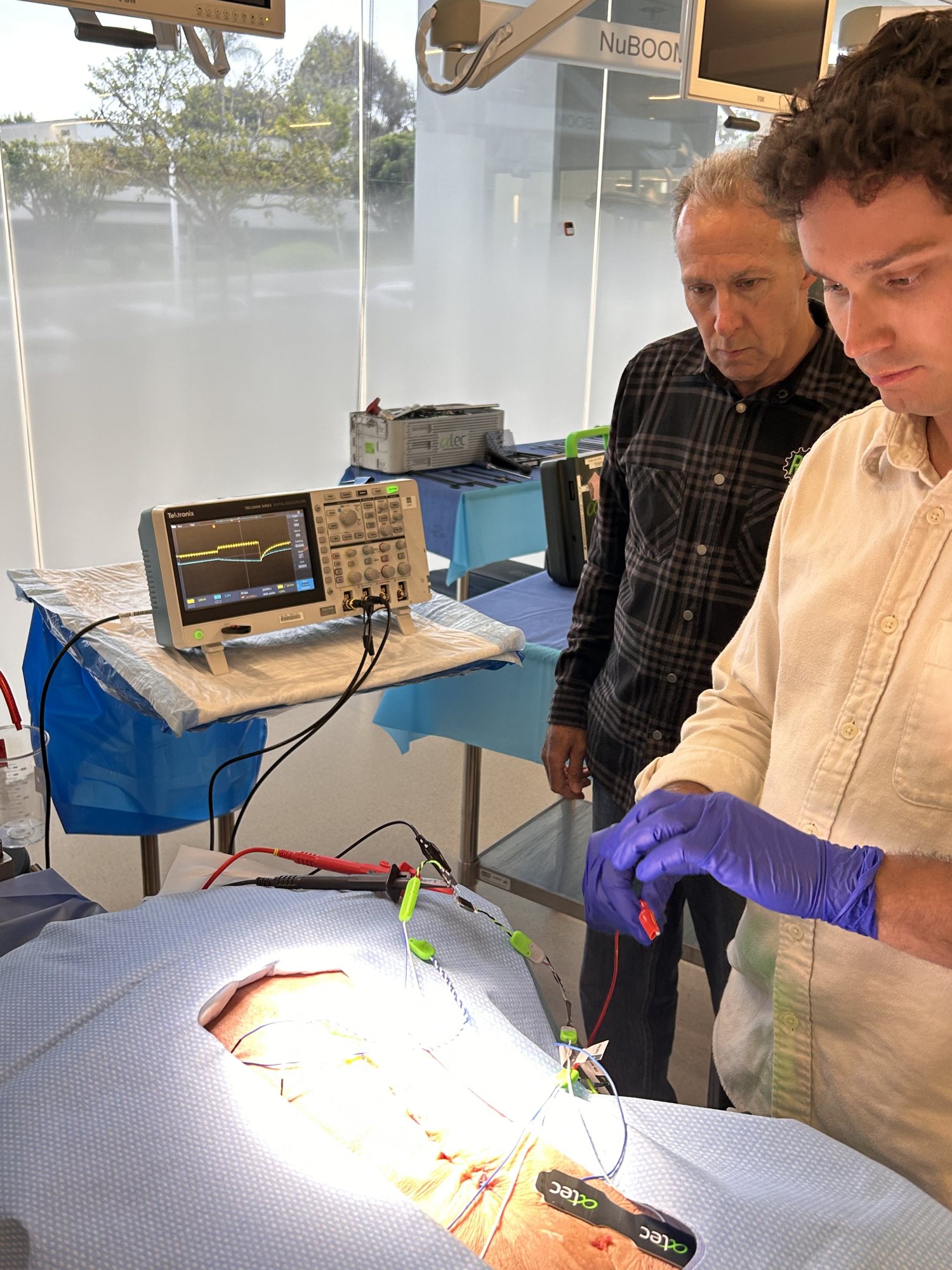
Partnered with clinical stakeholders and sales representatives, observed procedures, reviewed feedback and evaluated system-generated data to identify friction within existing workflows.
05
What We Built
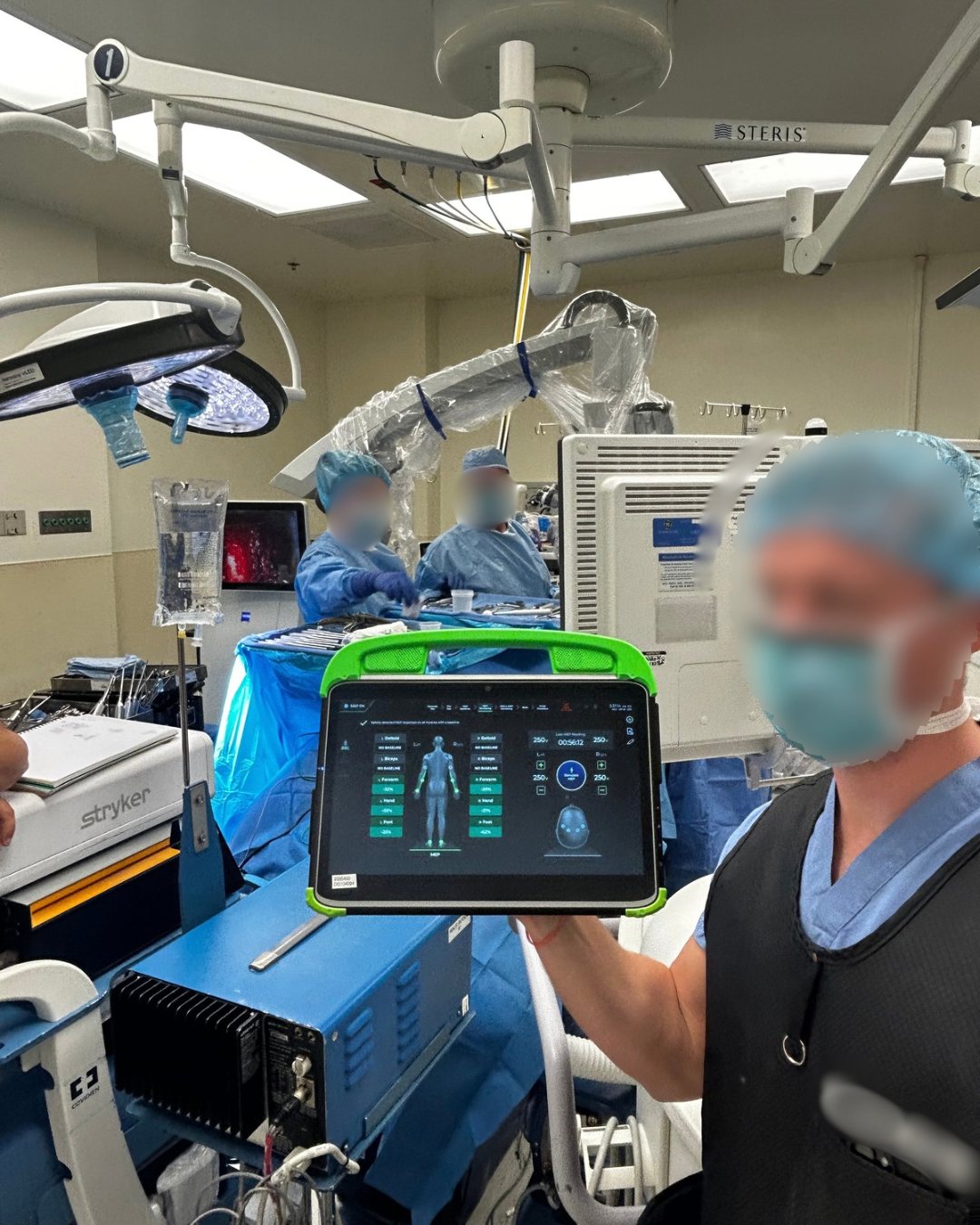
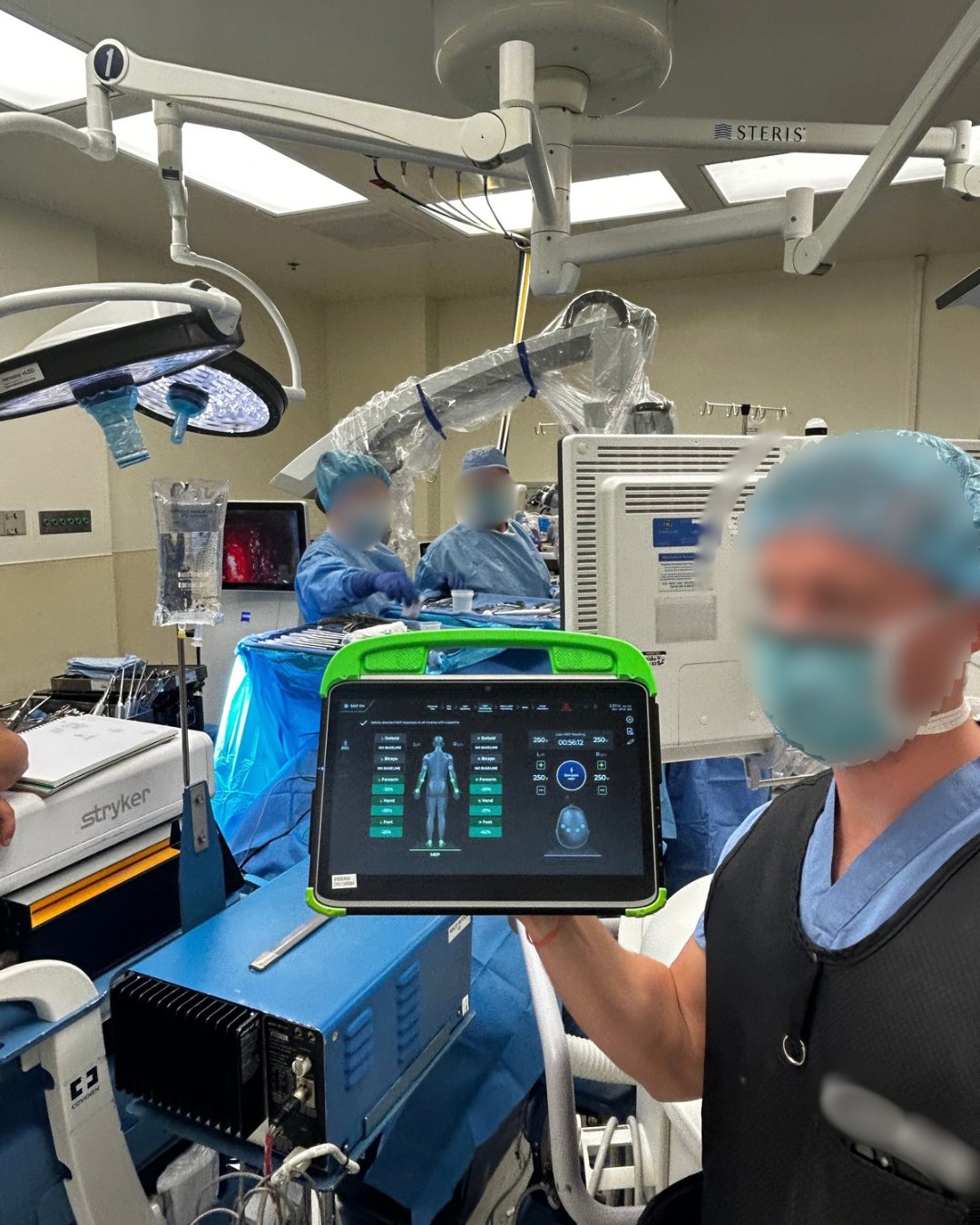
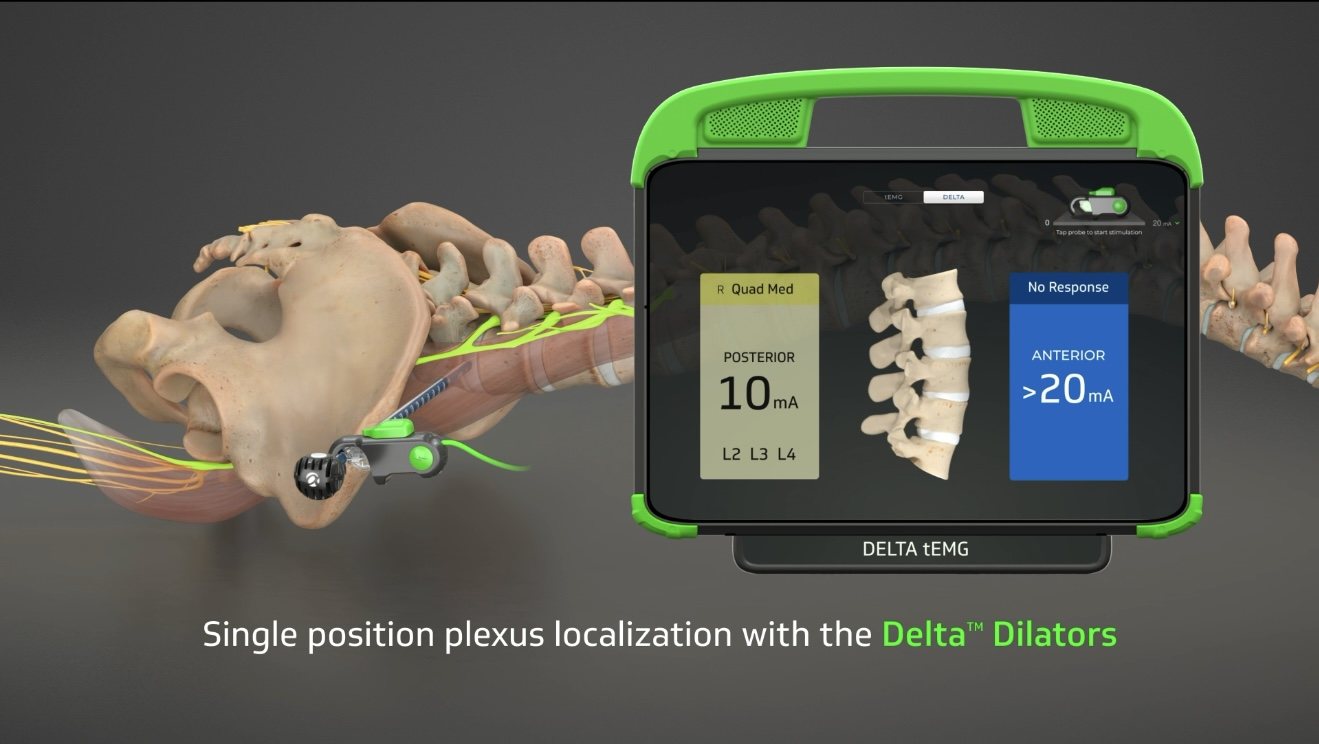
An AI-enabled device that included sterile, surgeon-driven accessories and modules that connected our system to the patient. The product consisted of proprietary hardware, embedded systems and a Windows application. The combination of AI-driven data analysis, surgeon-activated instruments, and a device that clearly communicates information created a seamless and efficient experience for surgeons.
06
Key Decisions & Tradeoffs
One of the most consequential roadmap decisions I made involved prioritizing a series of smaller enhancements to a newly introduced monitoring modality over a major automation feature for an already established modality. The established modality already had an efficient workflow that was widely understood by users. However, the newer modality introduced unfamiliar workflows, and early user experiences revealed opportunities to improve how successfully users interacted with and interpreted its results.
07
Launch
Launching a product in a surgical environment required more than delivering working software. Successful adoption depended on making sure the hardware, software, training, and support experience worked together. I partnered with cross-functional teams to support product readiness, user training, feature communication, and deployment. I also participated in surgical cases and worked directly with users to understand how the system performed outside controlled development and testing environments. These experiences created a feedback loop between the field and our development team. Observed workflow challenges, software defects, and user feedback informed our backlog and subsequent releases.
Beyond adoption metrics, value realization was assessed by analyzing time-to-success for different features. By analyzing reports of the detailed system logs, I could evaluate whether improvements reduced friction in the operating room and what parameters led to the highest success. These results drove post-launch releases including default technical settings and new automation features.